Birding sites in The Gambia
From coastal reserves to river-bank savanna, these are the sites Yaya visits most often with guests — each with its own habitats, specialities, and best time of year.
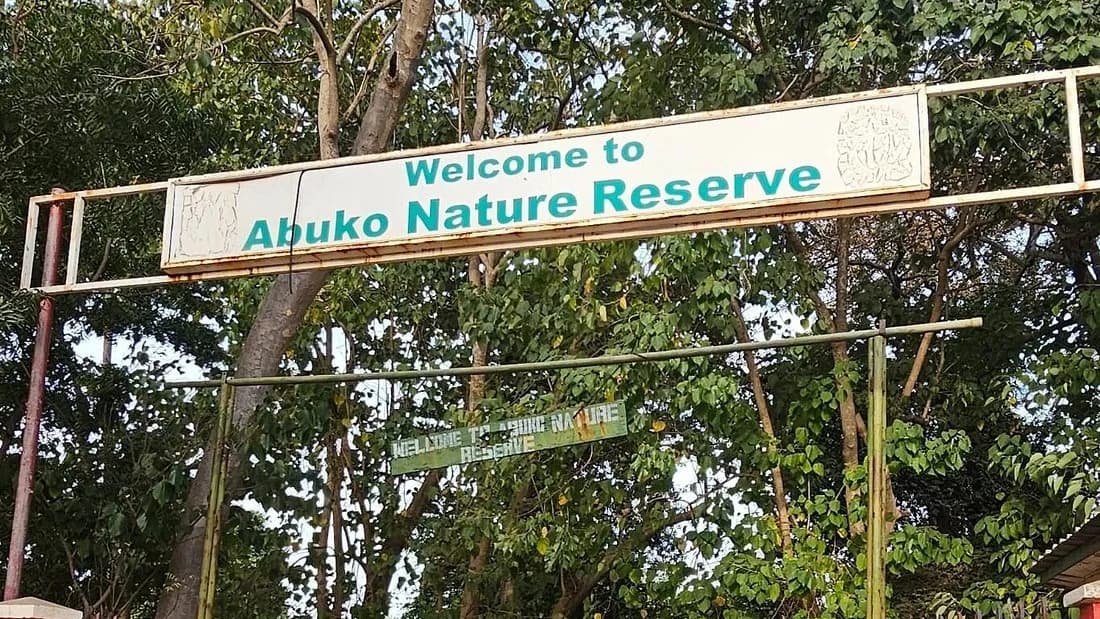
Western Region, near Lamin/Abuko, south of Serekunda on the Banjul–Brikama highway
Abuko is The Gambia's oldest protected wildlife area, a small but botanically rich pocket of gallery forest along the Lamin Stream, easily reached from the coastal resorts. It's one of the country's most reliable sites for forest-dependent species, with an easy circular trail and hides making close encounters straightforward even on a short visit.
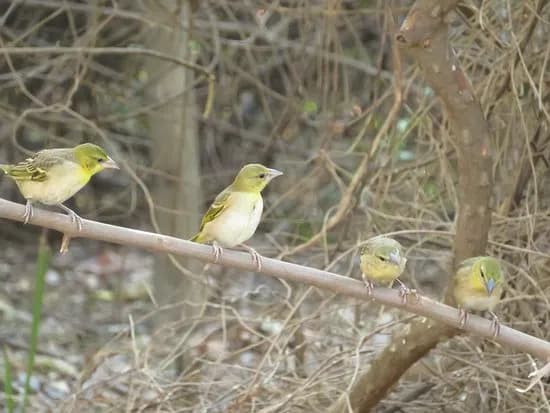
West Coast Region, Atlantic coast of The Gambia
Tanji River (Karinti) Bird Reserve, gazetted in 1993, is widely regarded as the richest single site for bird species in The Gambia. It combines coastal lagoons, mangrove, and dune scrub woodland with the offshore Bijol Islands, which hold The Gambia's only breeding seabird colonies.
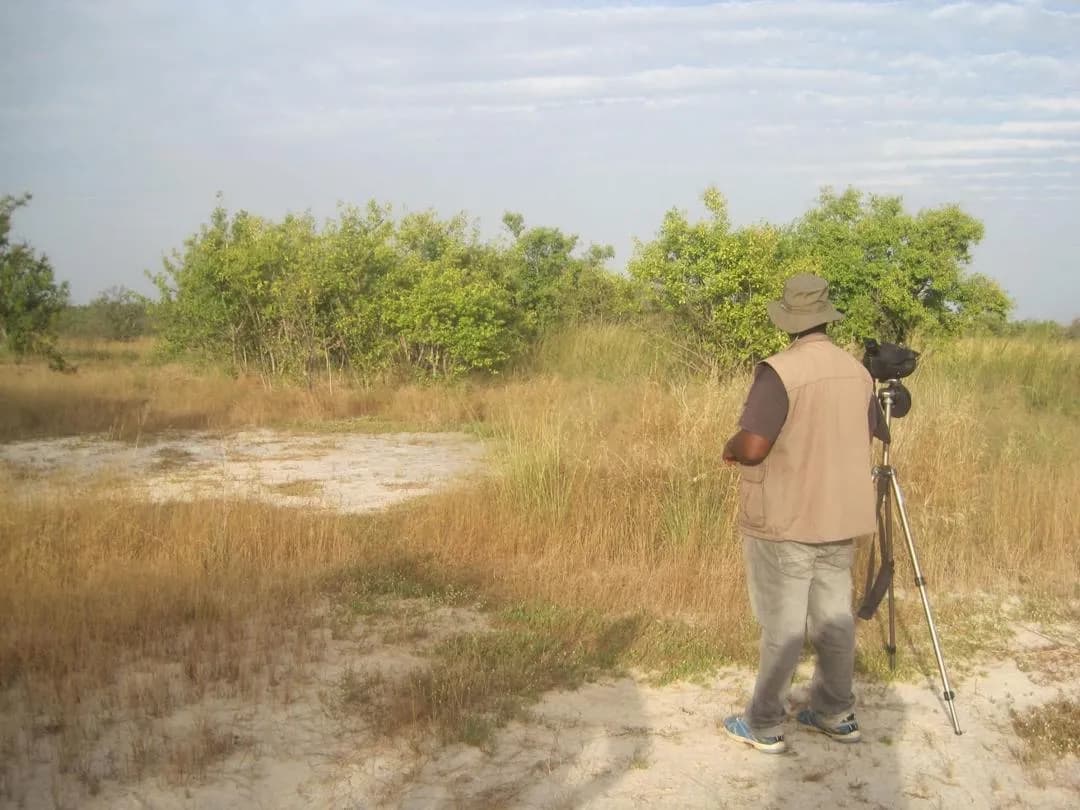
Lower River Region
Kiang West is The Gambia's largest national park, spanning savanna woodland, tidal mudflats and mangrove creeks along the south bank of the Gambia River. It's renowned among birders for exceptional raptor diversity and is a stronghold for species rarely seen elsewhere in the country.
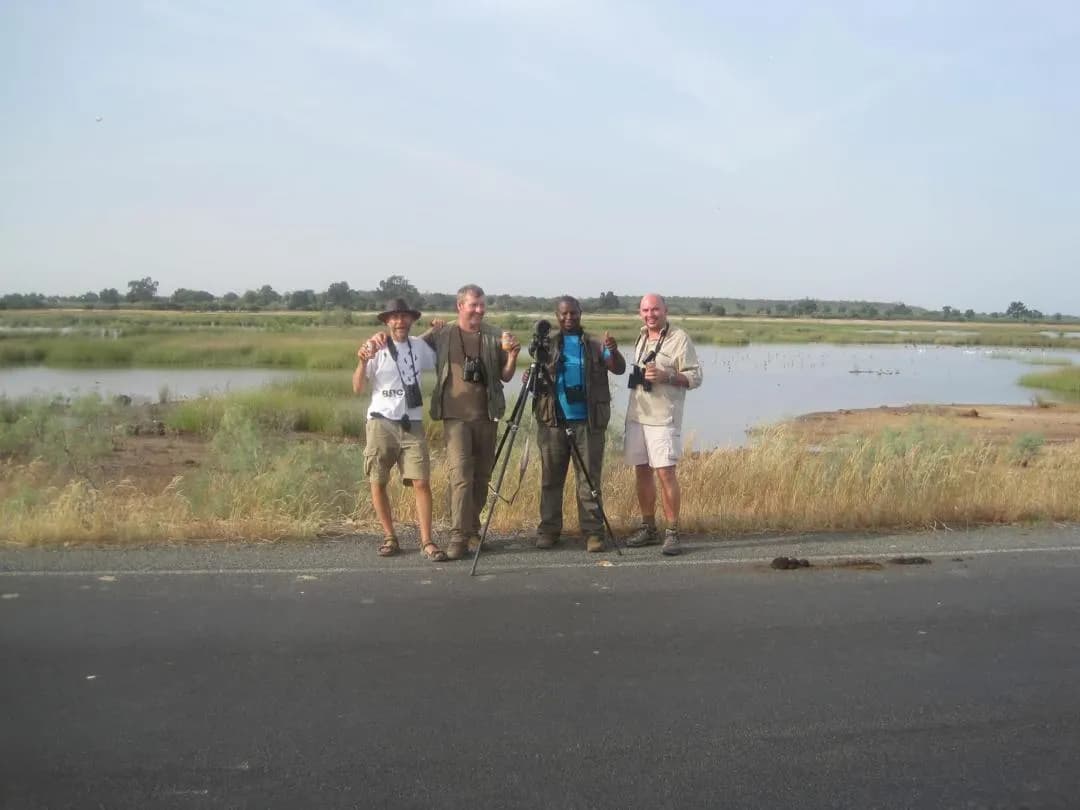
North Bank Region, River Gambia
Bao Bolong Wetland Reserve, on the north bank of the River Gambia roughly opposite Tendaba, was the first site in The Gambia designated under the Ramsar Convention and is recognised by BirdLife International as an Important Bird Area. Its mangrove creeks, tidal mudflats, saltmarsh and flooded savanna support a rich mix of resident waterbirds, raptors and Palearctic migrants, typically explored by boat from Tendaba Camp.
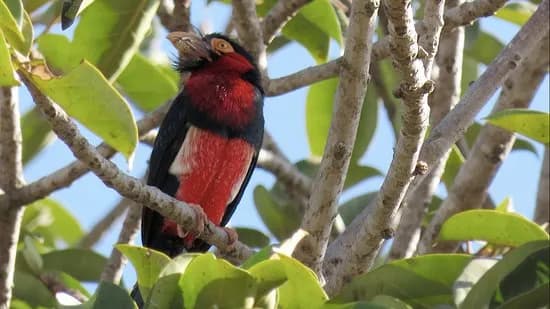
Western Region, coastal Gambia, near Brufut village (a short drive from the Kotu/Kololi/Senegambia resort area)
Brufut Woods (also known as Brufut Forest or the Brufut Woods Nature Trail) is a small community-managed patch of coastal woodland and forest on the edge of Brufut village, easily reached from the coastal resort area. It's one of the best-known sites in the country for owls and for the Long-tailed Nightjar, and is popular with visiting birders for its mix of dense forest, open woodland, scrub and grassy clearings along a network of trails.
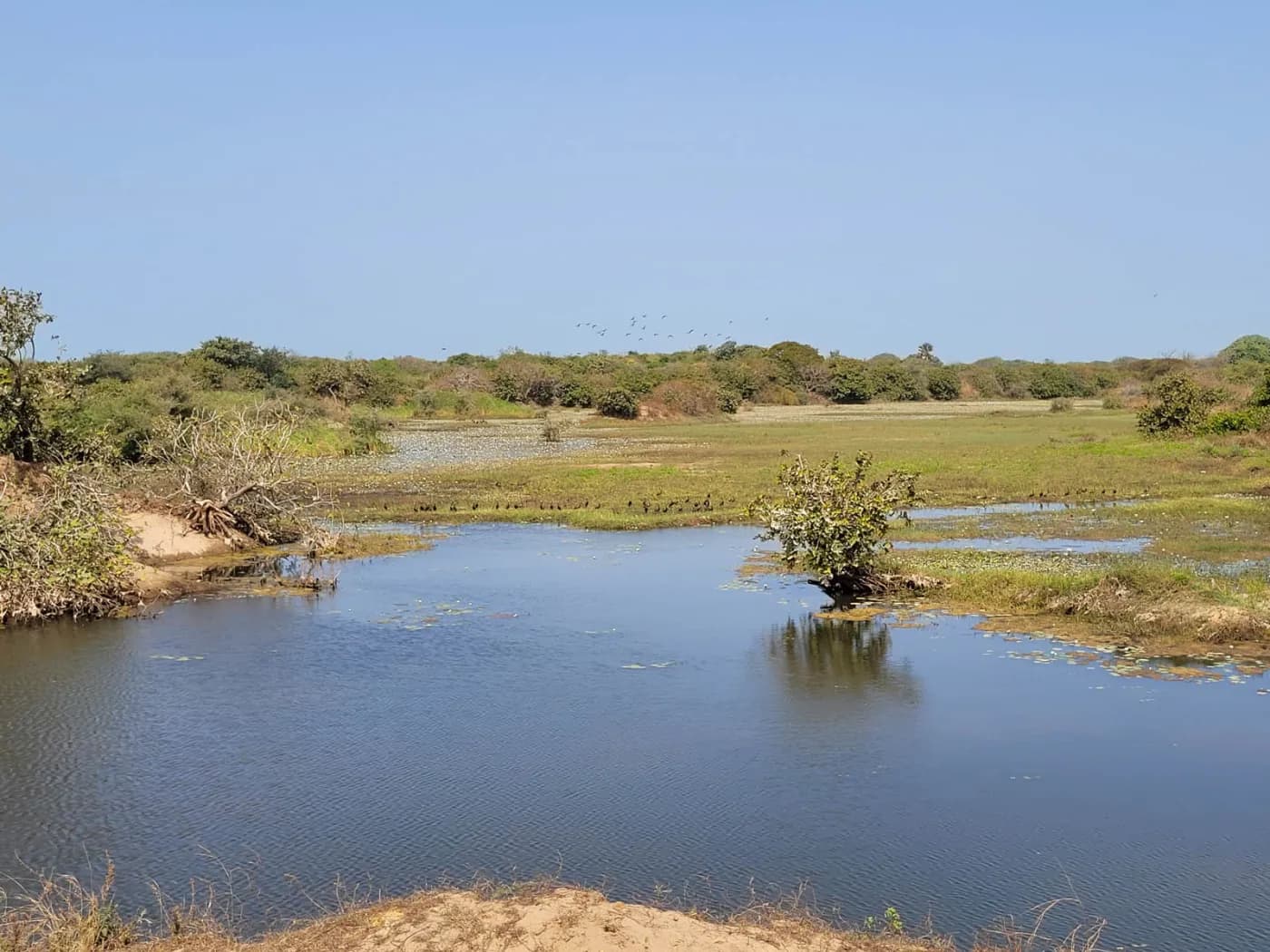
Kombo South, far south-western Gambia, near the Senegal border
Kartong Bird Observatory is West Africa's only permanent bird ringing/research station, sited on the edge of Kartong village beside a reed-fringed former sand-mine pool that holds water most of the year. Ringers here have logged an estimated 260-350 species (counts vary by source) and run an internationally recognised migration-monitoring programme alongside guided birding and boat trips on the Halahin River.